10 Ways to Use CRM Data to Improve Marketing Campaigns
Table of Contents 1. Introduction 2. Segment Your Audience Better 3. Use Behavioral Triggers for Timing 4. Connect CRM With Your Marketing Tools 5. Use Predictive Analytics and AI 6. Track ROI Directl...
Introduction
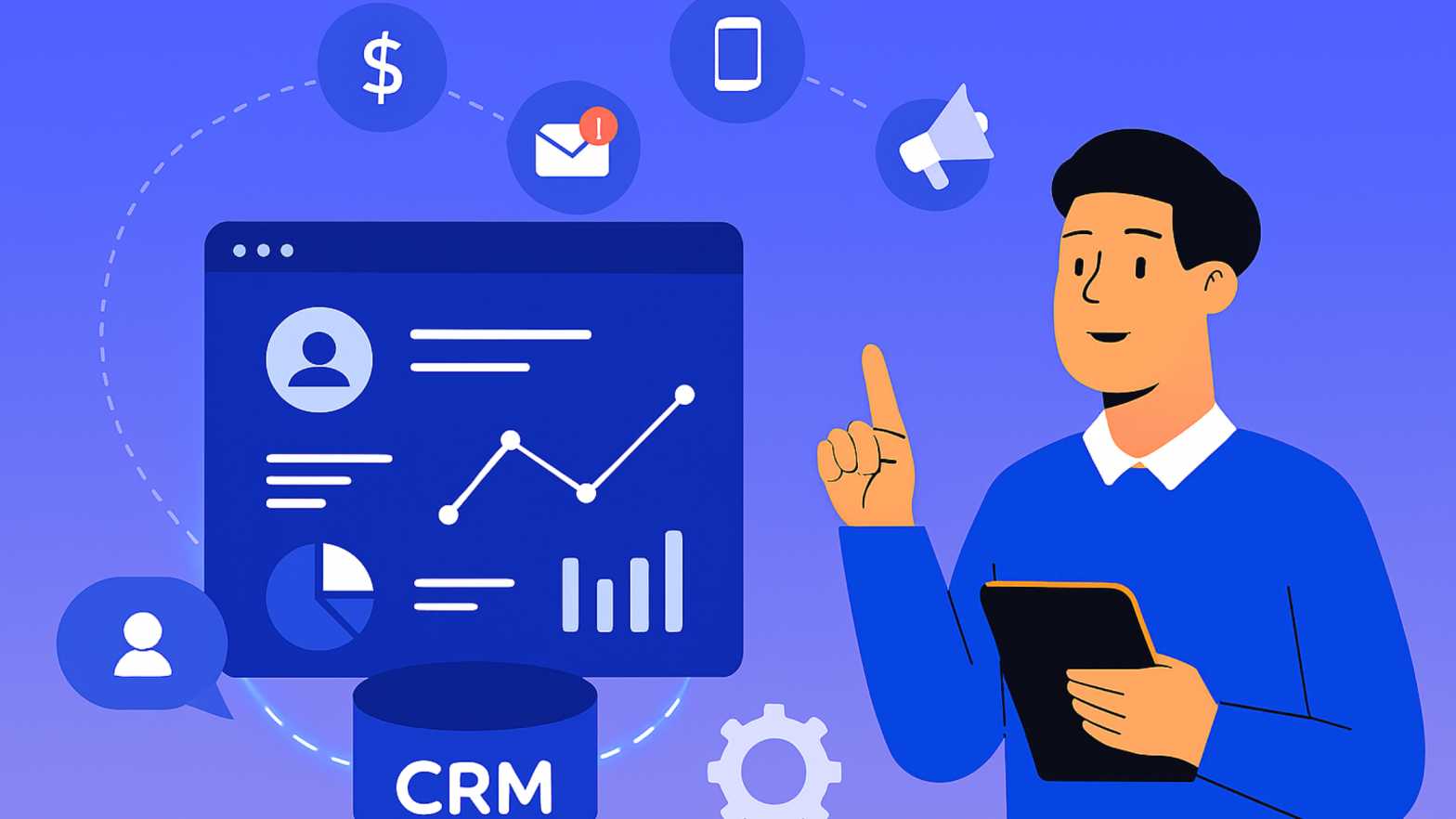
Many businesses collect huge amounts of customer information through their CRM systems, but struggle to use it in the right way. As a result, marketing campaigns often fail to connect with the right people and do not bring the results that companies expect. This blog explains how to change that. Here, you will learn 10 powerful ways to use CRM data to improve marketing campaigns and get better ROI from every channel you use.
Segment Your Audience Better
You can create detailed audience segments with CRM data. Instead of sending one message to everyone, you can group people based on their behavior, preferences, or purchase stage. For example, you can create segments such as:
- People who bought from you before
- People who visited a certain product page
- New leads who signed up last week
- Customers who haven’t purchased in months
When you create content that fits each segment, your messages feel more personal. This instantly improves open rates and click-through rates.
2. Use Behavioral Triggers for Timing
CRM systems can help you track when someone visits your website, views a product, or submits a form. With this information, you can use automated triggers. You could send a reminder to someone who has abandoned their cart or send a discount to a customer who revisits your pricing page. These kinds of personalized automated messages feel natural and helpful. They reach people when they are already interested, which increases the chance of conversion.
3. Integrate CRM with Your Marketing Automation Tools
Many companies use different tools for emails, social media, and analytics. When these tools are not connected to the CRM, marketing becomes slow and confusing. Data sits in different places, and teams have to guess what is working.
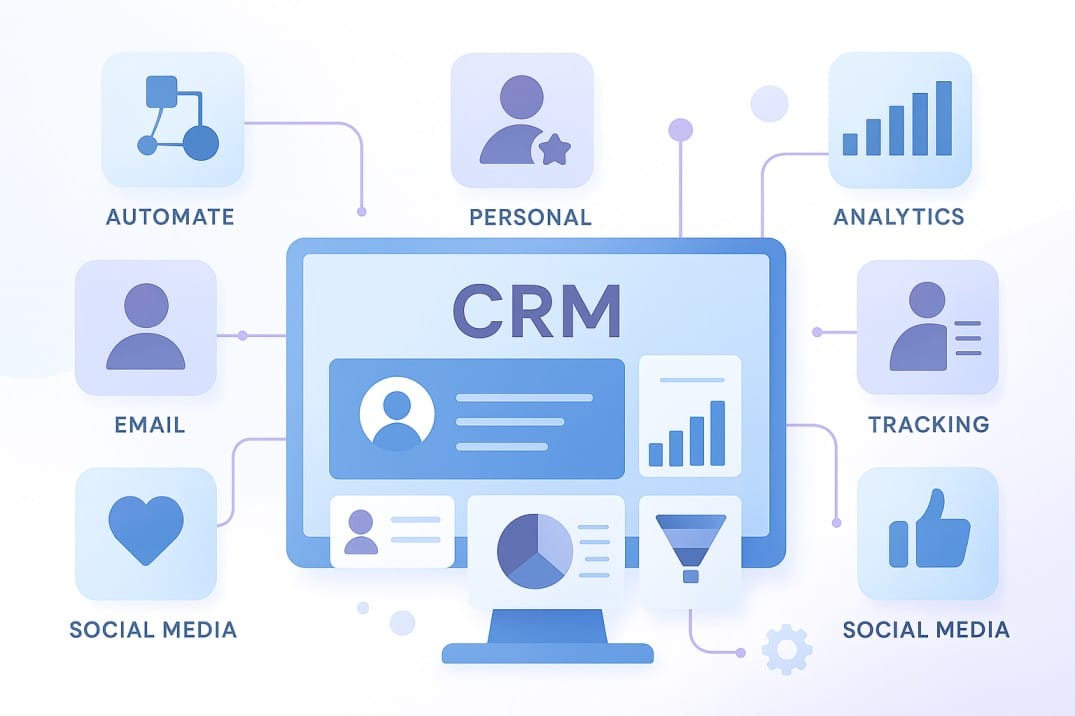
Connecting your CRM to your email platform, analytics, and other marketing tools solves this problem. Once everything is connected, customer actions flow into your CRM in real time, and campaign results appear directly inside the CRM. You can build automated workflows across multiple platforms. Sales and marketing teams can also see the same information. This method helps make your campaigns more accurate and easier to manage.
4. Use Predictive Analytics and AI
AI and predictive analytics can help you understand what customers may do next. These predictions are built from real behavior, such as what people view, click, or buy. You can use AI to predict which leads are most likely to convert so your team can focus on the people who are ready to take action. AI can also recommend the best time to send an email, making sure your message reaches customers when they are most active. Further, it can even suggest what product or service someone might want next, helping you offer more relevant recommendations. Another advantage is that AI can identify customers early on who may stop engaging soon. This gives you time to re-engage them before they leave. All these insights let you design campaigns that match each customer’s needs and make your marketing much smarter and more effective.
5. Track ROI Directly in the CRM
When your CRM is connected to your marketing activities, you can clearly see which channels bring high-quality leads and which messages actually lead to sales. This helps you identify the campaigns that deliver the highest ROI and shows the parts of your funnel that need improvement. You no longer have to switch between different tools or create multiple reports, because all your performance data appears in one place inside the CRM. This complete visibility makes it easier to understand where your budget is working and where it is being wasted, allowing you to invest more wisely and avoid spending money on audiences that do not convert.
CRM Data to Improve Marketing
6. Automate Lead Nurturing With CRM Insights
Many leads need consistent nurturing before they are ready to buy, and CRM data helps you make this process faster, more personal, and fully automated. You can design nurture journeys based on lead score, funnel stage, browsing behavior, download or signup activity, and past purchases. This ensures every lead receives messages that match their exact level of interest.
For example, a lead who visits your pricing page can automatically receive a helpful guide or case study that answers their questions. A customer who made a purchase last month can receive tips on using the product or recommendations for related items they may find useful. By automating these steps, you make sure no lead goes cold, and follow-ups happen instantly. You also reduce the chances of losing prospects to competitors.
7. Use Dynamic Content for Personalization
CRM systems allow your content to change automatically based on each visitor’s profile. This dynamic content helps you deliver highly personalized experiences without manual work. It can update across emails, landing pages, ads, and product recommendations, ensuring every person sees information that matches their needs.
For example, returning customers can see personalized offers based on their past purchases, and new visitors may see your core features to help them understand your product. People who abandoned their carts can even receive a reminder or a discount to encourage them to complete the purchase. This level of personalization helps you stand out and increases engagement. It also shows customers that your brand understands their interests and communicates directly to them, which increases customer trust and satisfaction.
8. Use a Unified Dashboard for Analytics
Marketers often open many dashboards to check performance. They use one for ads, one for website analytics, and one for CRM. This makes it difficult to understand the complete picture. When you centralize everything into one unified CRM dashboard, you get real-time visibility into lead behavior and a complete view of how your campaigns are performing. You also gain a clear understanding of ROI, which helps you plan and forecast more confidently. A unified dashboard allows you to make decisions faster because all your insights are in one place. It saves busy teams time by removing the need to jump between multiple tools. Additionally, it turns complex data into clear, simple information that anyone can understand and act on.
9. Improve Sales and Marketing Collaboration
Many businesses have trouble because of miscommunication between sales and marketing. Marketing sends leads that sales may consider unqualified, and sales receives customer feedback that marketing never gets to use. This disconnect creates confusion and weakens campaign performance. When both teams work inside the same CRM, marketing can clearly see which leads actually convert, and sales can understand which campaigns bring in strong prospects. Both teams also share the same lead notes, activity history, and engagement data, making handoffs smoother and more accurate. With better collaboration, there are fewer mistakes, and follow-ups become more consistent. Both teams also work together to get stronger and more reliable results.
10. Keep Optimizing With CRM Feedback
Good marketing is a process of testing, learning, and improving. CRM data makes this process easier and more effective. With CRM feedback, you can see which campaigns perform well and which messages generate the most engagement. You also get a clear view of which channels bring high-quality leads and where leads drop off in the funnel. This helps you understand what your audience responds to and what needs attention. With these insights, you can make regular improvements to your targeting, content, timing, and offers. CRM data also helps you reduce waste and make every campaign more accurate and impactful.
Conclusion
When CRM data is used properly, it brings clarity and removes guesswork. It also builds stronger relationships with your customers. By following the ten methods in this blog, any business can transform how it plans and executes marketing campaigns. This approach leads to better conversions and a more efficient use of your budget. Most importantly, it helps you build a marketing system that is scalable and get better results as your business grows.